
Kangaroo Mother Care - The Science Of Skin-To-Skin Contact

What is Kangaroo Mother Care?
Kangaroo Mother Care is a method of care practiced on babies, usually on a preterm infant, where the infant is held skin-to-skin with his mother, father, or substitute caregiver. Kangaroo Mother Care (KMC) was initially developed in Colombia as a way to keep stable preterm infants warm and decrease time spent in overcrowded hospital environments. However, Kangaroo Mother Care is not limited solely to environments where incubators are unreliable or unavailable, but is practiced in leading neonatal centers all over the world. Research conducted worldwide has quickly revealed that this special way of holding your infant has an extraordinary effect on preterm babies.
How do you "Kangaroo" an infant?
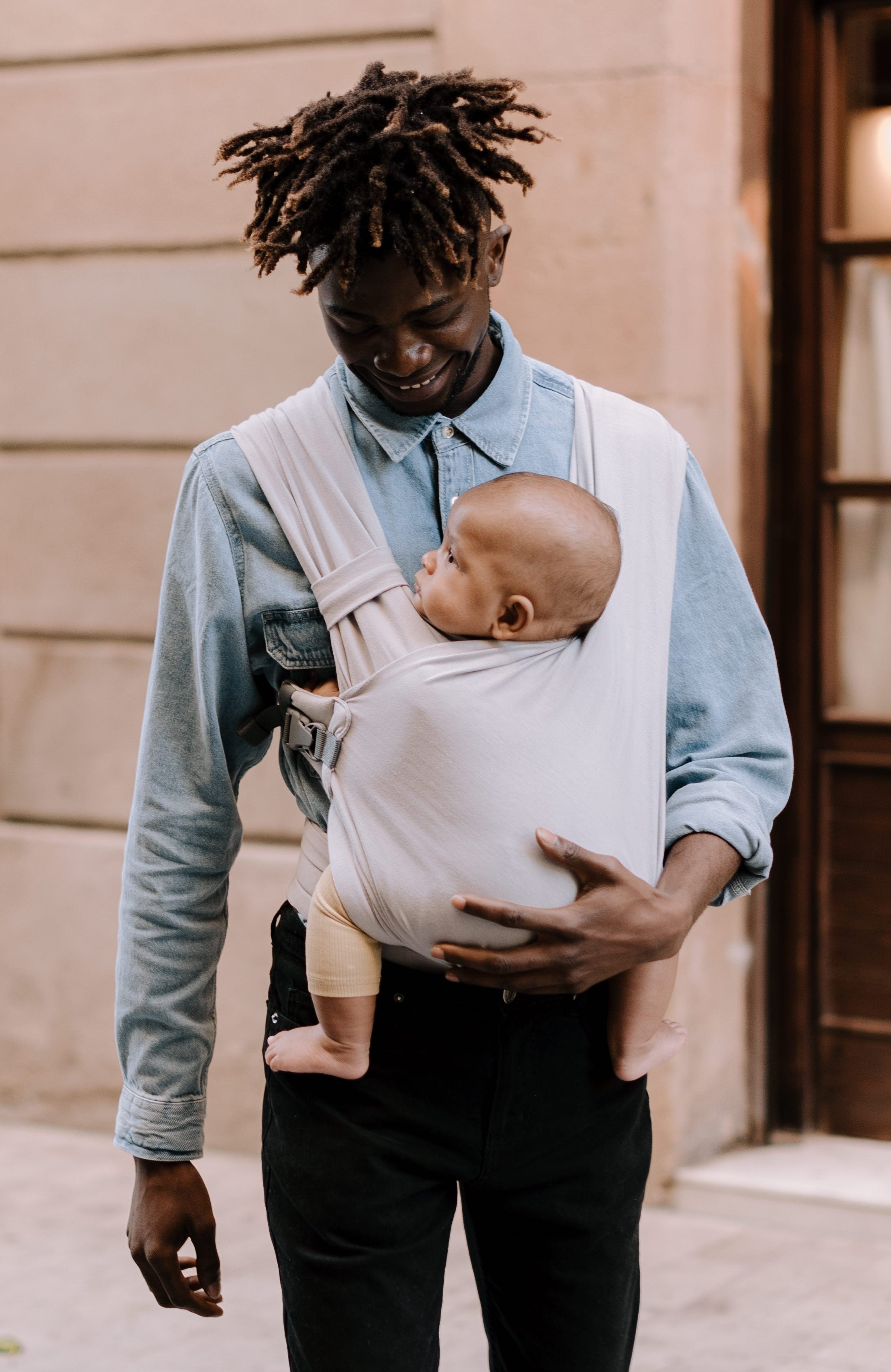
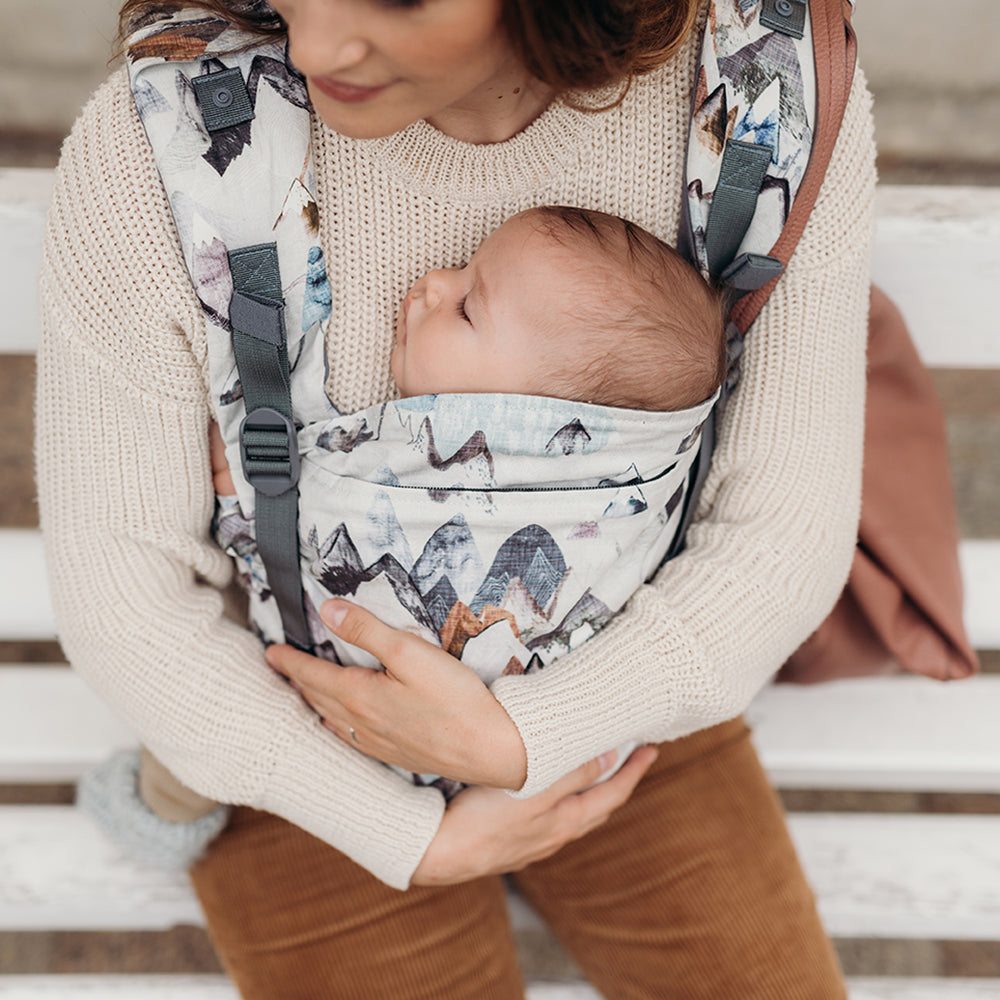
A baby is held in continuous skin to skin contact as close to 24 hours a day as possible with his mother. This is accomplished by placing the baby in the kangaroo position, a strictly upright position and stomach down (prone) on the mother’s bare chest. Technology can be added on as needed. Exclusive breastfeeding is the ideal. The mother may recline in a chair with blanket draped over her chest or she may stand upright if sling or wrap is available.
Who should practice Kangaroo Mother Care?
- Preterm or low birth weight babies admitted to a neonatal intensive care unit or special care baby unit when medically stabilized. It is possible even if your baby is incubated.
- Well preterm and low birth weight babies.
- Full term, well babies.
- Babies who have been separated for some reason from their mothers to aid in maternal attachment
- Mothers and babies who wish to establish breastfeeding and maintain milk supply
Kangaroo Mother Care provides intimate form of protection so that rest, growth, and natural healing may occur. Although it was initially developed for use with preterm and low birth weight babies Kangaroo Mother Care is beneficial for all babies as constant contact with their mothers and her warmth, breast milk, love, and protection are all the basic requirements needed for their well being and survival.
Requirements for KMC?
- A mother (works with fathers too)
- Supportive atmosphere
- A carrying cloth or stretchy baby wrap as an option
- A reclining chair if blanket is used
The Latest on Kangaroo Mother Care
The World Health Organization, Unicef, The March of Dimes, and the National Institute of Health all recommend the use of Kangaroo Mother Care and deem it a scientifically sound, low cost, and a high impact developmental intervention for both baby and mother.
New research by Dr Joy Lawn shows that Kangaroo Mother Care is one of the most powerful and effective ways to save preterm babies all over the world. Below are some of his statements.
The Boba Baby Wrap and Kangaroo Mother Care
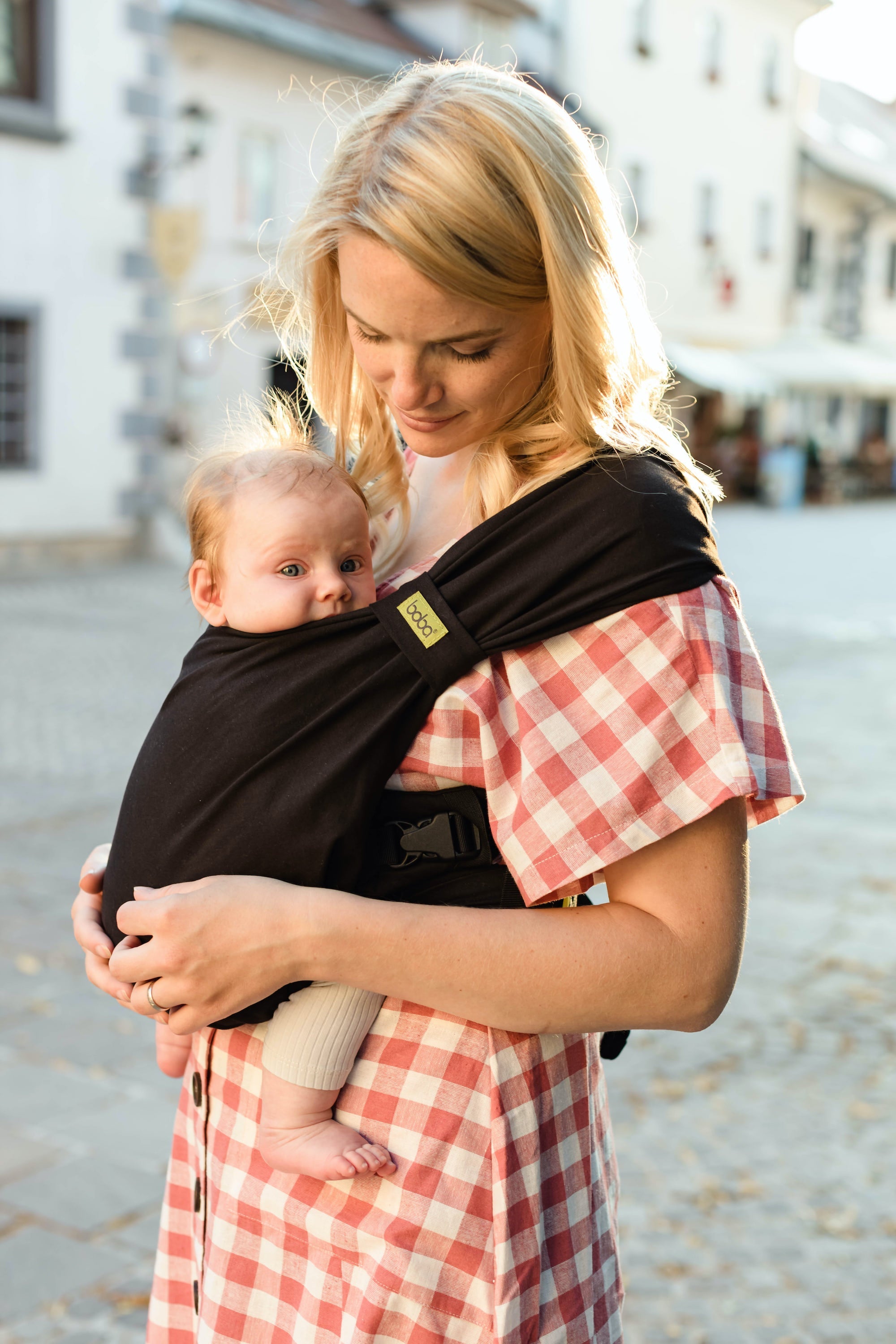
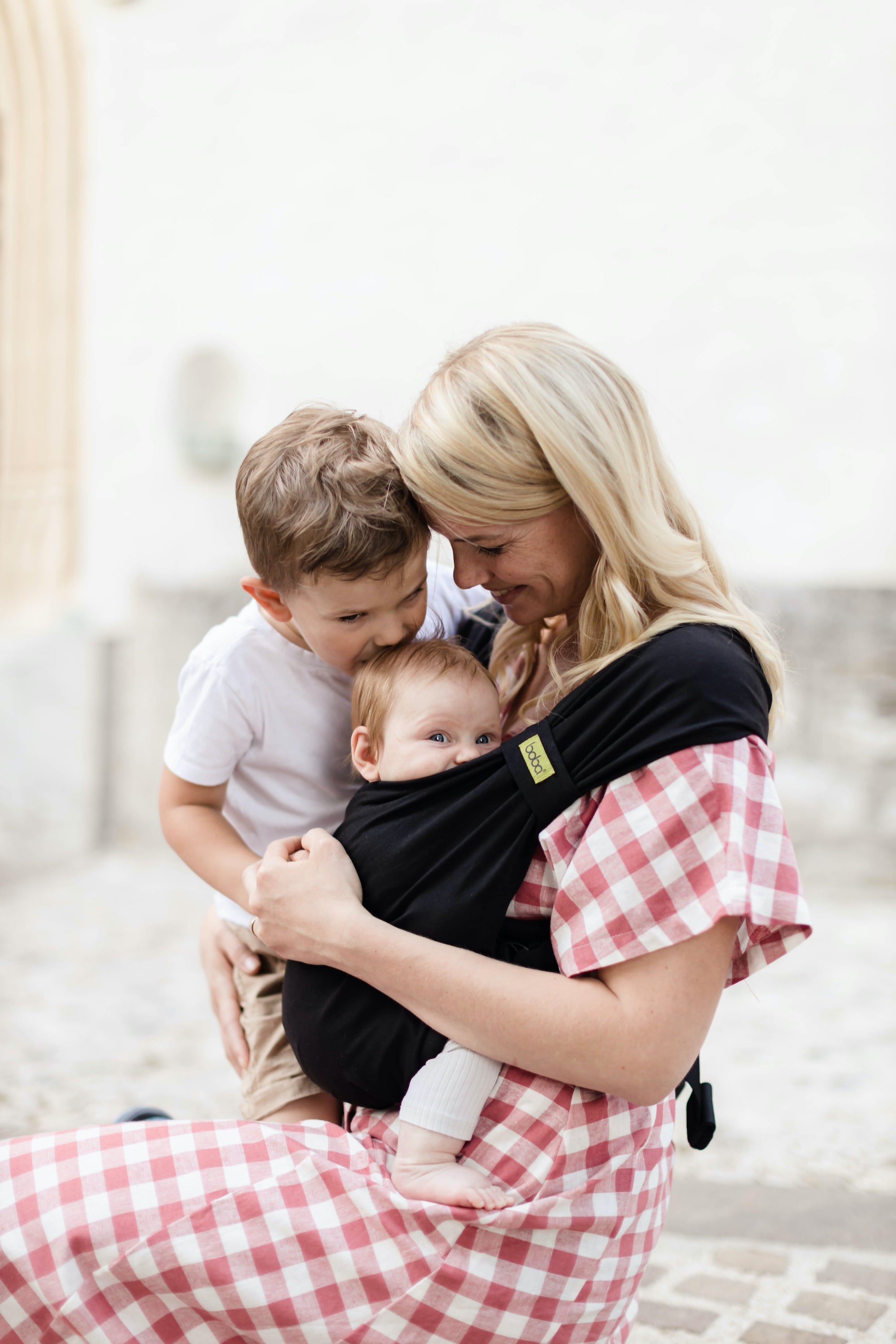
The Boba Baby Wrap is a stretchy baby wrap carrier that frees the hands of parents carrying even the tiniest of babies. Top neonatal centers worldwide are advising Kangaroo Mother Care, yet in many NICU’s no special shirts or equipment are used. Most often the parents are reclining on a chair skin to skin with their naked baby covered by nothing more than a blanket.
Wrapping mother and her preterm baby together with a Boba Baby Wrap is not only practical, but it
- helps maintain the correct head and neck positioning of baby
- conforms perfectly and clings to the contours of baby’s and mom’s body
- offers just the right amount of elasticity providing a familiar womb-like feeling of confinement
- envelops the baby’s entire body that is not in contact with mother so that heat is better conserved
- allows mother to move freely
- provides ultimate softness for such delicate baby skin
- may encourage parents to practice KMC for longer periods of time as parents are less apt to tire
Silas was born 5 weeks prematurely, and suffered grave hypoxia due to complications during the delivery.
Our son Silas was born 5 weeks prematurely, and suffered grave hypoxia due to complications during the delivery. His heart stopped, and he was not breathing for the first 6 minutes after birth – we were told that he would almost certainly suffer brain damage. My husband and I are both doctors, and are familiar with the importance of skin-to-skin-contact with a newborn, so we had actually bought our Boba Baby Wrap whilst I was still pregnant, and as soon as Silas was taken off his respirator, we started using it. It was eye opening to see the effect it had on him; watching the monitors we could see his heartbeat drop 30-40 beats per minute as soon as he was put in the wrap – from being stressed and in pain, he became completely relaxed in his Boba Baby Wrap! We`ve used the Boba Baby Wrap every day since – and our respect for this wrap just keeps growing – besides being nice and snuggly for the baby, it is a miracle cure against colic and overstimulation! The intimacy, comfort and safety a Boba Baby Wrap offers for the baby is just exceptional – I love that it allows skin-to-skin contact with the baby whilst still discrete for the mother!
Silas is now 6 months old, and there is no sign of complications what so ever from his difficult birth – we are convinced that all those hours in the Boba Baby Wrap, with skin-to-skin contact with us, has played a major role in his amazing recovery and development.
As baby wraps are not very common in Denmark, we`ve gotten a lot of attention using the Boba Baby Wrap (and we`ve been using it EVERYWHERE). First from the nurses and doctors in NICU, and later on from family, friends and even strangers coming up to us in the street asking about it. We have recommended it to everybody we meet, and even bought it for friends with babies, and they have all loved it just as much as we have.”
- Renee
So now that you’ve educated yourself about what Kangaroo Care looks like, come over and check out all the incredible health benefits of Kangaroo Care. Help your preemie develop into a healthy baby. Empower yourself!
- Tags: Featured